Feed Dogs on My Sewing Machine Are Not Working
Most often, a dog's needle and feed dogs need to be replaced at least once every four months. The best time to do this is when the machine is not in use- usually during maintenance hours.
To remove a dog from the machine, you must first disengage it by lifting up on one end of the arm while pulling down on the other side of the lever – make sure to hold onto any pieces that may fall off.
If your sewing machine has an automatic height adjustment for feed dogs, you will need to reset it before replacing your dog(s). Be careful when handling needles and feeding dogs as they are very sharp.
Are Feed Dogs Important On A Sewing Machine?
If your machine isn't sewing well, it's likely because the dogs are not catching the fabric properly. There are three ways to remove a dog from a machine: with fingers, with pliers, and by using an Allen key.
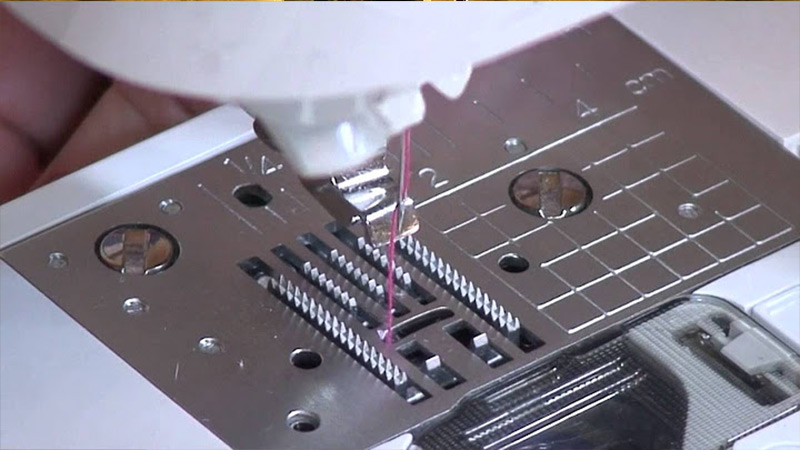
To change the height of feed dogs on most machines you will need to use either hex keys or wrenches (depending on make/model). You should replace your dog every 6-12 months depending on how often you sew and type of material being used.
Needle & Feed Dogs
Feed dogs are important to your sewing machine because they keep the fabric fed through the machine and help you stitch quickly and easily. It is a good idea to replace your feed dog every few months or when it starts to show wear, whichever comes first.
If your feeding dogs have lost their elasticity, it will be difficult for the fabric to go through the machine smoothly, causing skipped stitches and puckered areas in your clothing or fabrics. When inspecting your feeding dogs, look for any frays or tears in their material as this could also signal a need for replacement.
Always take note of where each feed dog sits on the bobbin case so that you can make sure everything is properly aligned when setting up your machine.
When To Replace Your Dogs
Feed dogs are important on a sewing machine because they help to feed the bobbin, which in turn helps keep your machine running smoothly and prevents jams.
Dogs can last anywhere from 6 months to 3 years depending on how often they're serviced and their useage. When it's time for your dog to retire, check out our replacement guide for more information about what you should look for when purchasing a new one.
If you have a model with an automatic feed dog, be sure to reset it before using your machine for the first time after replacing your dog – otherwise you might experience issues like skipped stitches or tension problems later on down the road. Keep an eye out for recalls as well- if something is wrong with your feeding dogs that could cause damage or even injury, make note of it so that you can take appropriate action before anything happens.
How to Remove a Dog from the Machine
Feed dogs are important on a sewing machine because they keep the feed roll from becoming tangled in the fabric while you sew. If your dog is constantly jumping up on the machine, it might be time to remove him or her from the area.
There are different techniques for removing a dog from a machine- some involve using arms extendable through Rodriguez attachments and others use an ergonomic handle that comes with certain machines. Finally, always unplug your sewing machine before cleaning it so that any remnants of thread don't get tangled in moving parts again.
For more information about feeding dogs around your home Sewing Machine: How To Keep Your Dog From Jumping On Your Machines.
Replacing a Dog on a Hand Sewing Machine
Feed dogs are important on a hand sewing machine because they help to keep the fabric taut and in place as you sew. If your dog is missing, there may be lumps or bumps where it used to be – this usually means that the feed dog has been removed.
Replacing a dog on a hand sewing machine is easy – all you need is some needle nose pliers and a screwdriver. You can find replacement dogs at most sewing supply stores, or online (if you're looking for an exact fit). Keep in mind that if your old feed dog was made from metal instead of plastic, it will probably need to be replaced along with the dog itself; metal teeth wear down over time and can cause stitches to break."
Changing the Height of your feed dogs
Feed dogs are important on a sewing machine because they raise the feed dog arm and help to guide the fabric as it is sewn. Changing the height of your feed dogs can help you get more accurate stitches by adjusting how close the needle is to the fabric being sewn.
If your feed dogs are too high, you may experience skipped stitches or puckers in your fabric; if they're too low, you may struggle with threading and bunching up fabrics while stitching. There are different types of feed dogs available that will suit different needs, so it's important to find one that works well for you before making any changes..
To change the height of your feed dog arm: 1) Remove presser foot from machine Lift up upper right hand side cover (1). This reveals two screws (2), which hold adjustment wheel (3) in place – turn until desired height is reached (4). Replace lower left hand side cover (1), ensuring screw at top rear-right corner clicks into place.
Can I adjust feed dogs on sewing machine?
Yes, you can adjust the feed dogs on your sewing machine to help control the fabric as it sew. By doing this, you can prevent skipped stitches and improve seam quality.
- You can adjust the feed dogs on a sewing machine by turning an adjustment knob on the side of the machine. Raising the feed dog will help ensure that your threading is accurate and consistent. Make sure to check both top and bottom of each tooth to be sure they are even with the needle plate before adjusting.
- It's important to keep your sewing machines in good working order by regularly checking for adjustments, lubrication, and proper calibration. If you experience any problems with your sewing machine, don't hesitate to take it into a service center for repairs or maintenance.
Does the feed dog move the fabric over the needle?
If the feed dog on your sewing machine doesn't move the fabric over the needle, it might be because the motor is defective or there's something blocking its movement.
If you're having trouble with a stitch and suspect that your needle or bobbin are faulty, try moving the feed dog to see if that resolves the issue. The positioning of the feed dog isn't always correct- sometimes this can be caused by a damaged stitch type, so make sure to inspect it closely when making repairs or changes.
Lastly, if your stitches look like they've been ruined by wear and tear (or an incorrect feed dog adjustment), then you'll need to replace either part in order for your machine to work properly again.
Why are the feed dogs on my sewing machine not working?
It's possible that lint or other material is obstructing the feed dogs on your sewing machine, causing them to not work properly. Cleaning and maintenance can help clear any obstruction from around the feed dogs, making them work again as they should.
Sewing test fabric will also let you know if everything is in working order before starting a project with expensive materials. Make sure to check for lint or other material every time you use your sewing machine to prevent issues down the line.
Can you sew without a feed dog?
Yes, you can sew without a feed dog. However, it is not as easy as it sounds and there are some disadvantages to doing so. The biggest disadvantage is that your stitches will be less stable because the machine won't have any feedback telling it when the fabric is going too tight or loose.
- Feed dogs are not necessary for free motion quilting and can be dropped if you prefer uneven seams. Dropping your feed dogs will result in uneven stitches, which may cause problems with the finished product. However, you can still sew without them if you choose to do so. The machine is designed to function this way, so there is no need to worry about it affecting your project quality or outcome.
- Some people find that they enjoy sewing more when they don't use feed dogs because it allows them more control over their fabric movement and helps reduce the chance of errors happening during construction.
- If you are uncomfortable using afeed dog on your machine, then by all means go ahead and remove them. You won't have any trouble achieving precise results as long as you follow the manufacturer's guidelines carefully while operating the machine。
- Feed dogs help maintain even tension across the entire width of the fabric being sewn; however, some sewers feel that this level of precision isn't necessary or desired in certain situations (for example when working with stretch fabrics).
- If Free Motion Quilting doesn't appeal to you then there is no need to get rid of your feed Dogs-you can simply skip those steps altogether by following these simple tips: 1) Make sure both top rails are locked into position before starting; 2) Keep one hand on each foot at all times while stitching; 3) Use a light touch when pushing down on fabric – too much pressure could distort shape.
Should feed dogs be up or down with walking foot?
There is some debate about whether dogs should be fed while they are walking. Some people feel that it encourages them to move more, while others believe that the movement of their stomachs will create enough noise to scare away predators. Ultimately, what you choose to do is up to you and your dog.
Blindly Following Rules Will Never Get You Where You Want To Go
If you blindly follow the instructions that come with your machine, you will never get the results that you are looking for. Instead, experiment with different settings to see what works best for you and check your quilt's manual for specific instructions. If a second feed dog isn't present on your machine, consider purchasing one. Watch out for sloppy sewing that could be caused by improper feeding dogs settings.
Why is my fabric not feeding through my sewing machine?
If you're having trouble getting your fabric to feed through the machine, it's likely because there is something obstructing the path of the fabric. You may need to adjust your thread tension or lower the fabric before sewing in order for them to work properly.
Make sure that the foot controller has been disconnected and then try lowering the fabric again with a different method such as hand feeding. The Feed Dog should also be set according to your specific machine model instructions if you are experiencing difficulty with feeding Fabric through Your Sewing Machine. 5th check is ensuring that threads have not become tangled around this vital part of Your Sewing Machine.
To Recap
Feed dogs are important on a sewing machine because they help to move the fabric through the machine by grabbing and holding onto it. Feed dogs also help to keep the thread moving in one direction, which is essential for accurate sewing.
If your feed dog becomes worn or damaged, you may experience problems with stitches pulling apart or uneven fabrics being sewn. In order to fix these issues, you'll need to replace your feed dog.
bennettfighad1967.blogspot.com
Source: https://www.waynearthurgallery.com/are-feed-dogs-important-on-a-sewing-machine/
0 Response to "Feed Dogs on My Sewing Machine Are Not Working"
Postar um comentário